



The LinkedIn Lead Generation Mistake Most Founders Make
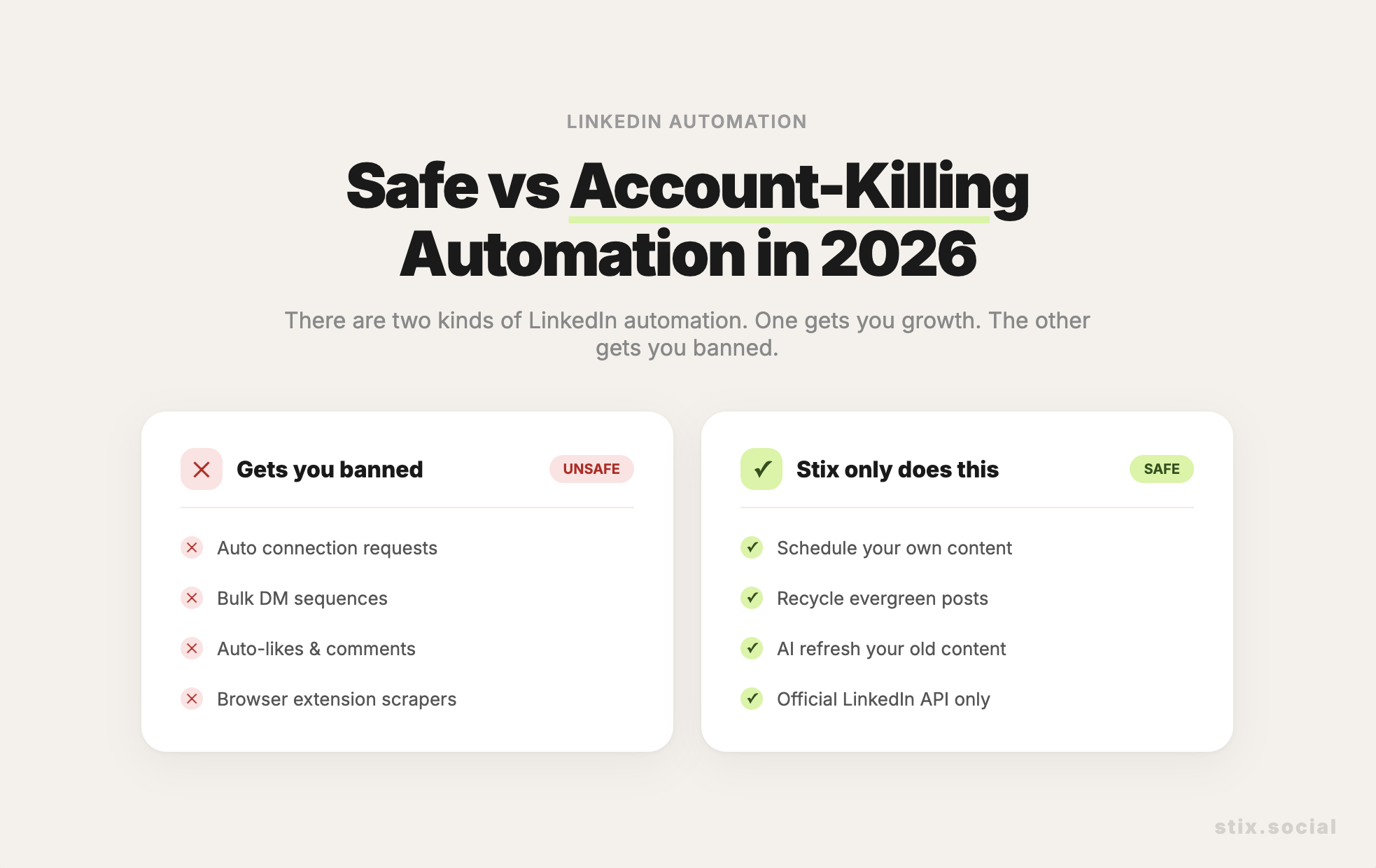
When most founders think about LinkedIn lead generation, they think about outreach. Connection requests with pitch messages. InMail campaigns. Automated sequences that land in a stranger's inbox with a generic offer. This approach worked five years ago. In 2026, it is the fastest way to get ignored, blocked, or restricted by LinkedIn.
The founders who generate the most leads from LinkedIn today are not running outreach campaigns. They are running content engines. They post consistently, build trust through visible expertise, and create an environment where prospects come to them. This is the difference between outbound lead generation, where you chase people, and inbound lead generation, where the right people find you.
The Inbound LinkedIn Funnel
LinkedIn lead generation works as a funnel, even though most people do not think of it that way. The top of the funnel is reach. How many people see your content each week. The middle of the funnel is engagement. How many of those people interact with your posts through comments, saves, or profile visits. The bottom of the funnel is conversion. How many of those engaged people take an action like following you, visiting your website, booking a call, or sending you a direct message.
Most founders focus only on the top of the funnel. They chase impressions and follower counts. But impressions without a conversion path are just vanity metrics. A founder with 2,000 followers who generates 5 inbound leads per month is outperforming a founder with 50,000 followers who generates none.
Content That Generates Leads, Not Just Likes
Not all LinkedIn content generates leads equally. Posts that go viral because they are entertaining or controversial may drive impressions but rarely attract qualified prospects. The content that drives B2B leads shares specific characteristics.
Problem-awareness content performs exceptionally well for lead generation. When you describe a specific problem your target audience faces with enough detail that they recognize their own situation, you create what psychologists call the mere exposure effect. They start associating you with understanding their world. Posts that demonstrate methodology rather than just sharing opinions are another strong lead driver. When you explain how you approach a problem, not just that a problem exists, you signal competence. Potential clients read your framework and think if they explain this for free, the paid version must be even better.
Case studies and customer outcome stories are the most direct lead generators. When a post describes a specific result, like a client who increased their pipeline by a measurable amount, prospects with the same goal will reach out. They do not need convincing. They need proof that someone like them achieved the result they want.
Building a Profile That Converts Visitors
Every piece of content you post drives a percentage of readers to your profile. If your profile does not clearly communicate what you offer and how to engage with you, those visitors bounce and never return. Your profile is the landing page of your LinkedIn lead funnel. It needs a headline that speaks to your target audience rather than listing your job title. It needs an About section that addresses your prospect's problem and presents your solution. And it needs a Featured section with a clear path to the next step, whether that is a link to book a call, download a resource, or visit your product page.
The Content-to-DM Pipeline
The most effective LinkedIn lead generation creates a natural path from content to conversation. This does not mean pitching people who like your posts. It means creating content that invites dialogue. When you end a post with a specific question rather than a generic thoughts CTA, you open the door for conversations that naturally move to direct messages.
A post about a specific B2B challenge that ends with have you tried solving this differently might generate 15 comments. Two or three of those commenters are potential clients sharing their experience. You reply thoughtfully, add value, and the conversation naturally continues in DMs. This is not outreach. It is relationship-building at scale through content.
Consistency Is the Lead Generation Multiplier
The reason most founders fail at LinkedIn lead generation is not a lack of strategy. It is a lack of consistency. Posting three times and expecting leads is like running one ad and expecting customers. LinkedIn lead generation compounds over time. The first month of consistent posting builds your audience. The second month deepens trust. The third month starts generating inbound inquiries. By month six, your LinkedIn presence becomes a predictable lead source.
The compounding effect is real. Each post introduces you to new people. Each profile visit builds familiarity. Each week of consistent activity reinforces the algorithm's confidence in distributing your content widely. But the moment you stop posting for three weeks, you lose momentum and have to rebuild it.
This is where automation becomes essential for lead generation, not just convenience. Tools like Stix keep your content flowing during your busiest weeks so the lead generation engine never stops. Your content library rotates your best material, AI refreshes keep recycled posts feeling new, and your pipeline stays active even when you are heads-down closing deals rather than creating content.
Measuring LinkedIn Lead Generation
Track these metrics to understand whether your LinkedIn presence is generating leads. Profile views per week indicate top-of-funnel interest. Connection request rate shows how many new people want to be in your network. Website clicks from LinkedIn measure how effectively your content drives traffic. Direct message conversations that originated from content engagement are your most valuable metric. And ultimately, meetings booked or deals closed that trace back to LinkedIn activity tell you the real ROI.
Key Takeaways
LinkedIn lead generation in 2026 is about inbound, not outbound. Content that describes specific problems, demonstrates methodology, and shares real outcomes drives the most qualified leads. Your profile must convert visitors, not just inform them. Create content that invites dialogue and naturally moves conversations to DMs. Consistency is the multiplier that turns occasional interest into predictable pipeline. Track profile views, connection requests, website clicks, DM conversations, and meetings booked to measure your LinkedIn lead generation ROI.